
How to Screen Record Apple Music: 3 Device Methods and Sound Limits

Summary: Capture Apple Music’s interface on iPhone, iPad, Mac, or Windows while understanding why song audio is often missing. Follow native device steps, find your saved video, and distinguish screen capture from local-audio workflows. Three FAQs address game capture, imported files, and Sing or animated lyrics.
Apple Music screen recording captures the app’s visuals, but protected song audio is often missing. To screen record Apple Music for an app demo, start with your device’s built-in controls. I’d choose a local-audio workflow for listening, not a screen video.
The device steps below cover visual capture, sound limits, and where your video goes. Audio alternatives serve a different purpose: saving authorized music in a format your player supports.
Why Apple Music Audio Disappears
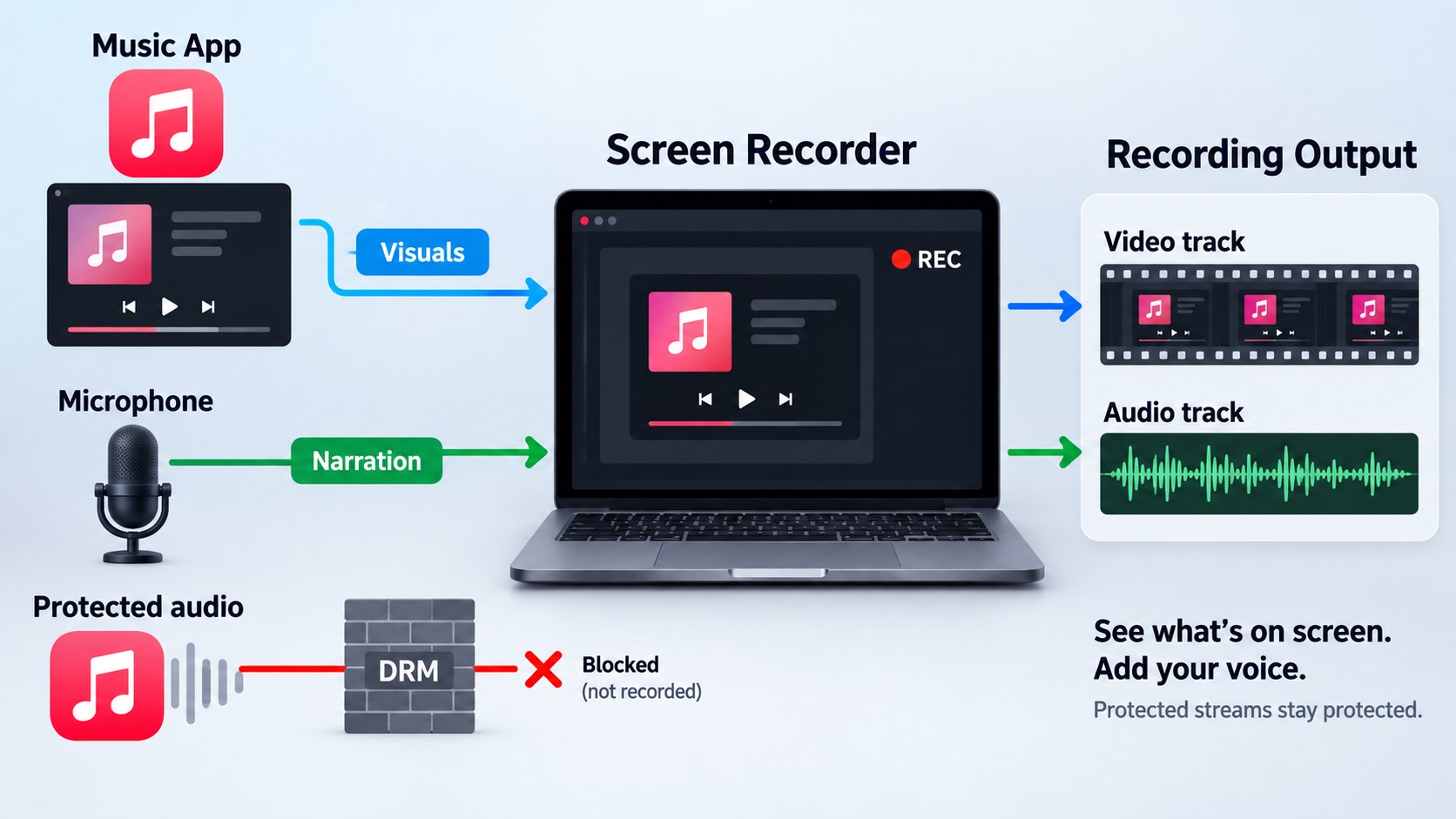
Apple Music’s protected subscription streams restrict internal song-audio capture. DRM, short for digital rights management, controls how that content is used. A video showing album art without the song does not, by itself, mean your microphone is broken.
If you can't screen record Apple Music with sound, separate two audio sources: the song playing inside the app and your voice entering the microphone. Enabling the microphone adds narration; it does not change the subscription stream’s capture permissions.
What Each Device Can Capture
You can capture visible app navigation on supported devices, while protected playback can restrict sound or particular visuals. Start with a short preview. Use microphone input for your own explanation, not as a fix for missing internal song audio.
| Device | Native control | Visual use | Song audio | Microphone |
|---|---|---|---|---|
| iPhone / iPad | Control Center | App walkthrough | Protected audio often excluded | Optional narration |
| Mac | Shift-Command-5 | Full screen or selected area | Protected audio restricted | Select in Options |
| Windows 11 | Snipping Tool | Selected-area demo | Protected audio restricted | Separate input setting |
I’d use these controls to explain an app feature. None turns the subscription’s download feature into a general-purpose audio export.
Why Other Apps May Behave Differently
Successful sound capture in another app does not establish that Apple Music permits the same capture. Apps control their content differently. If narration and other permitted audio record normally, I’d check the source being captured before changing microphone settings.
A subscription song and an imported local file are different sources, even when both appear in the same library. The local-file FAQ below explains how to isolate that difference without treating either result as a universal rule.
Screen Record Apple Music by Device
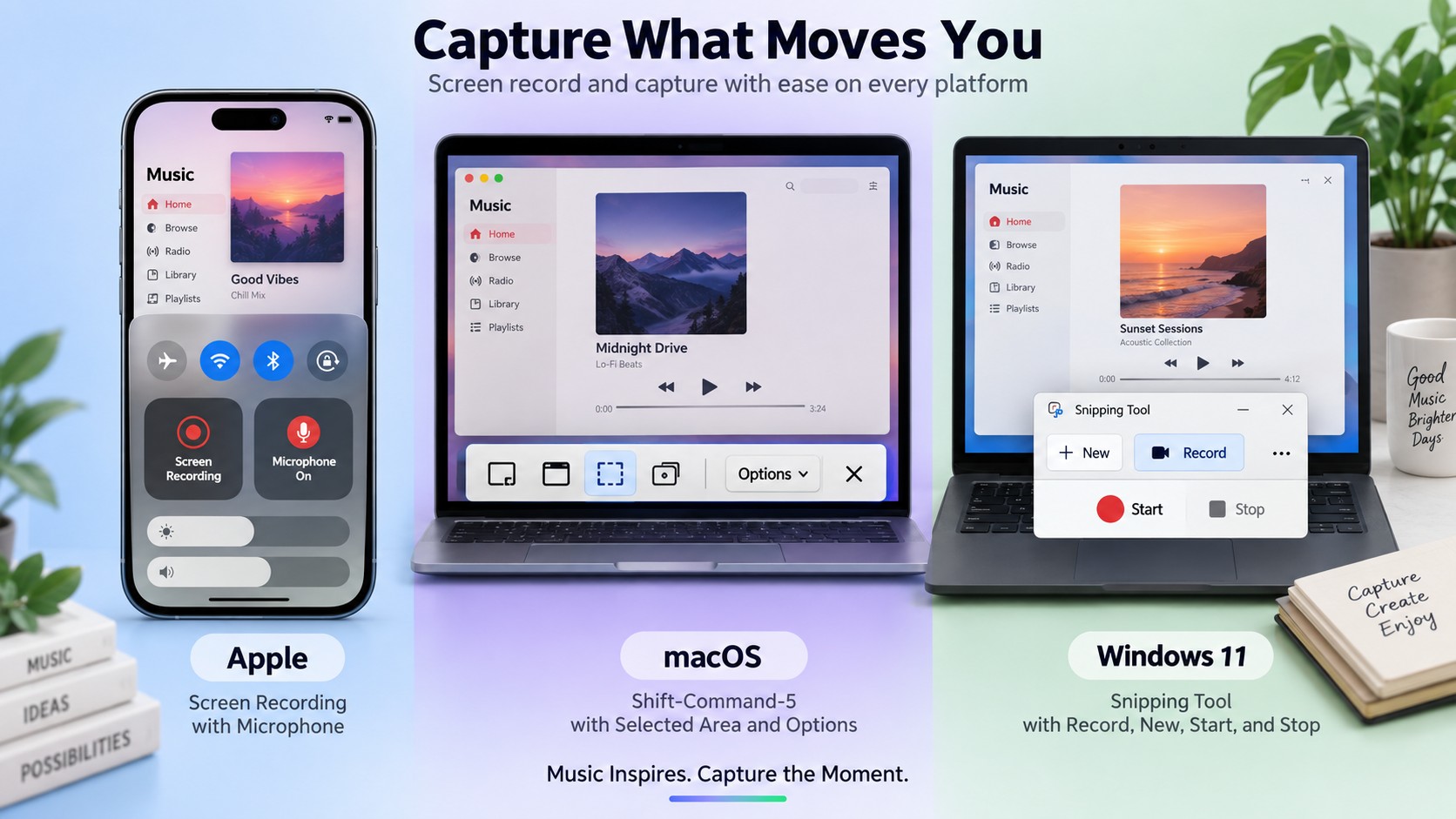
Use the native recorder to show Apple Music’s interface on iPhone, iPad, Mac, or Windows. Keep the first capture short. Trying to screen record Apple Music with sound requires distinguishing your narration from protected song audio before you start.
iPhone and iPad
Control Center starts and stops screen capture, and Photos stores the result. Prepare the Apple Music screen first. Hide notifications and account details before making a tutorial.
- Open Control Center and tap the Screen Recording control. Add the control to Control Center if it is missing.
- For voice narration, press and hold that control and turn Microphone on before starting. Otherwise, leave the microphone off.
- Start the capture, wait for the countdown, and return to Apple Music. Show the navigation or app feature you want to demonstrate.
- Tap the capture indicator at the top of the screen and choose Stop, or stop from Control Center. Open the clip in Photos and review its picture and sound.
Screen mirroring and screen capture cannot run together on iPhone or iPad. Stop mirroring before trying again. A successful capture of the interface still does not establish that the song audio is included.
Mac
Press Shift-Command-5 to open the Screenshot toolbar and capture Apple Music’s visible interface. Choose a selected area for a focused demo. QuickTime Player’s File > New Screen Recording also opens the capture workflow.
- Open Apple Music, then press Shift-Command-5. Choose the entire screen or a selected portion and frame the area you need.
- Open Options, choose a save location, and select a microphone if you want narration.
- Click Record and demonstrate the app. Click Stop in the menu bar when finished.
- Open the saved video and review it before sharing. Check that private account information is out of view.
Supported Macs running macOS Tahoe 26 or later offer SDR (Most Compatible) using H.264, or HDR using HEVC. SDR is the practical choice for broad playback compatibility. These are video-quality settings, not controls for Apple Music’s protected song audio.
Windows
Snipping Tool on Windows 11 captures a selected screen area, making it useful for showing Apple Music on Windows. Frame the app window. These steps describe visual capture, not a way to obtain subscription song audio.
- Open Apple Music and arrange the screen you want to show. Open Snipping Tool, select Record, then New.
- Select the area around the app and choose Start. Demonstrate the relevant navigation or controls.
- Select Stop, preview the clip, and save it to a folder you recognize. Use Edit in Clipchamp if you need to trim the video.
The video-capture shortcut is Windows-Shift-R. If the Record control is missing, update Snipping Tool through Microsoft Store before retrying. Instructions for its video mode do not apply to older versions limited to screenshots.
File Types and Save Locations
A screen capture is a video, not an MP3 song. MOV and MP4 are containers that hold video and audio tracks; H.264 and HEVC describe how video is encoded. A different extension does not restore missing sound.
- iPhone and iPad: Find the capture in Photos. When exporting to Files or a computer, inspect the saved filename to identify its container.
- Mac: Screenshot saves a MOV video to the desktop by default. Change the destination under Options > Save to.
- Windows: Save the Snipping Tool video from its preview and select your destination. Inspect the saved file’s extension in File Explorer; a video export remains separate from an audio-only file.
Keep the original clip until you have opened the export in its intended player. For a silent app demonstration, a voice-over explains the action without needing the song itself.
Audio Alternatives When Screen Capture Fails
For content you’re authorized to access, where permitted by platform terms and applicable law, a local-file workflow can be a desktop alternative when native capture does not meet your needs. Keep personal copies private and do not redistribute copyrighted music.
Apple Music’s official downloads support listening within its managed app library. They are separate from general audio files. Choose an Apple Music recorder or converter according to whether you need a visual demonstration, a manual audio clip, or organized local music.
MusicFab for Batch Local Audio
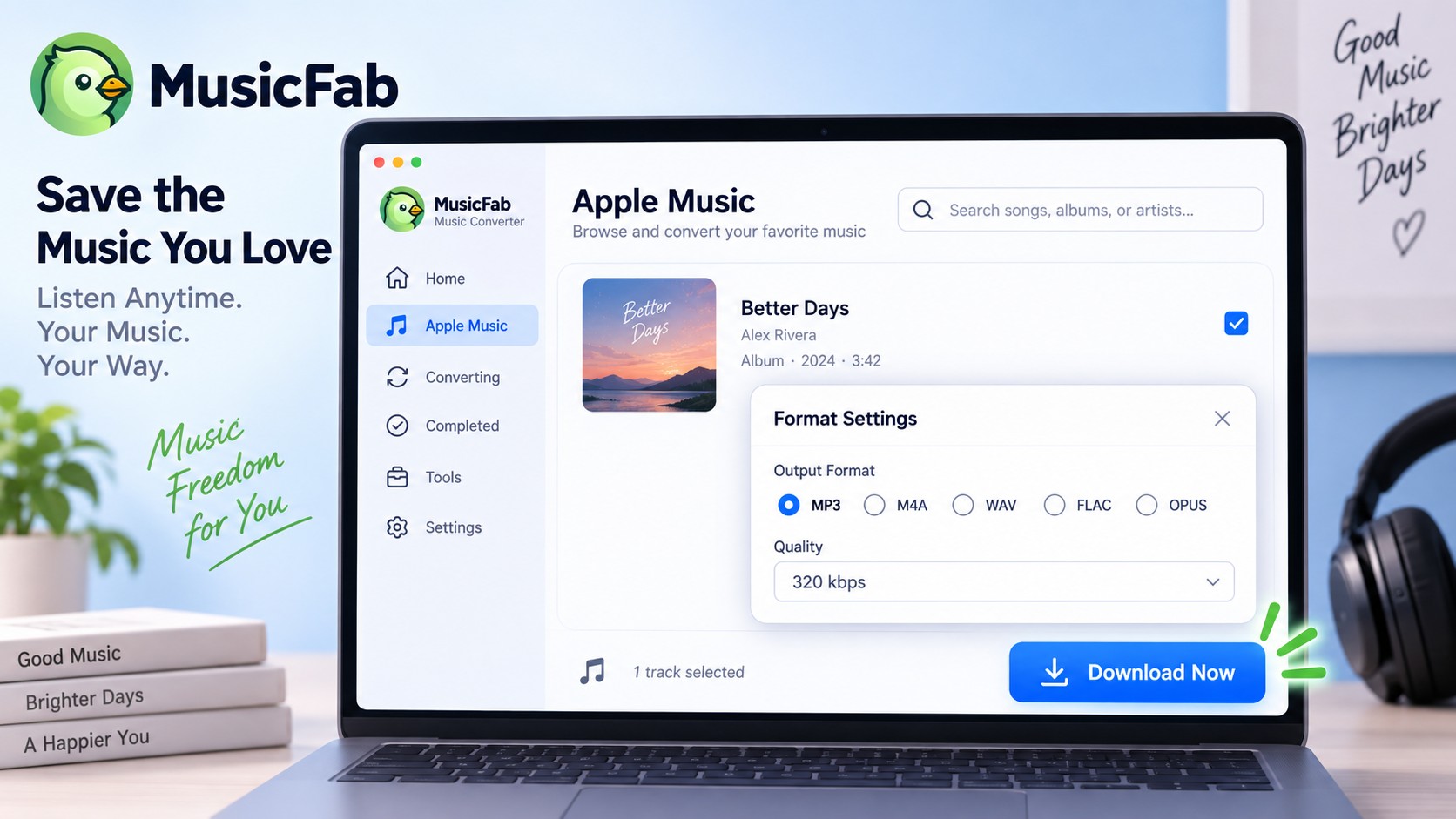
MusicFab Apple Music Converter uses direct source downloads on Windows and Mac, with batch conversion to MP3, M4A (AAC), WAV, FLAC, or OPUS and output up to 320 kbps. ID3 tags and lyrics stay with your library.
A short visual demo needs only native capture. MusicFab’s strength is batch local audio with metadata. It requires an active Apple Music subscription; its 30-day trial includes three full songs for checking your player and library workflow.
To download music from Apple Music into a local library, install MusicFab, choose Apple Music, and sign in to your subscription account.
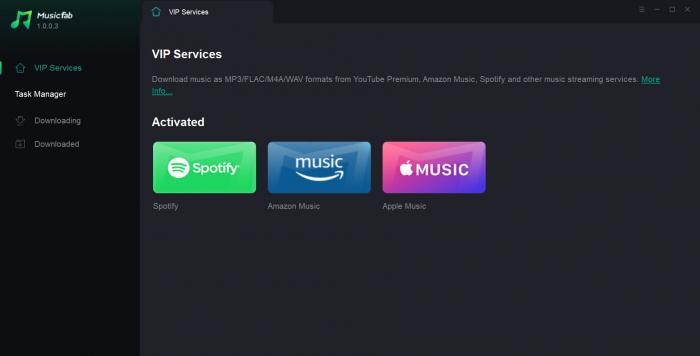
Find the track, then choose an audio format in the download settings. The format controls how your player opens the file.
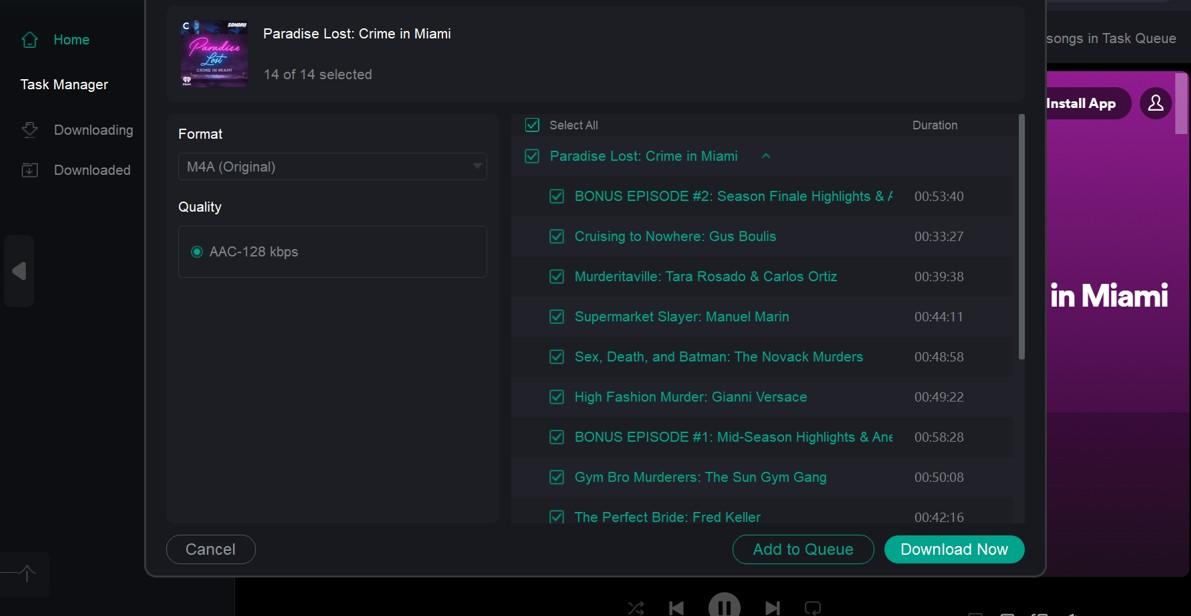
Select Download Now to start the selected task.
Audacity for Real-Time Audio
Audacity suits short manual audio captures when your chosen input receives the source. It works in real time. I wouldn’t choose it for a large playlist: each capture needs playback time and manual handling.
- Open Audacity and select the input carrying audio you have permission to capture. Confirm that the input meter responds.
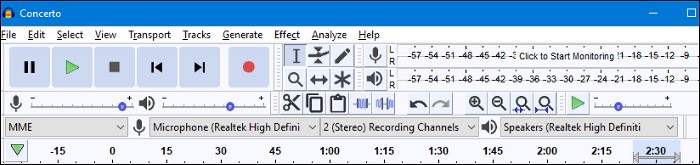
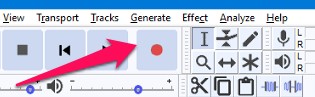
- Start that source and click the red Record button. Subscription playback is not automatically available to the input.
- Click Stop, listen back, and export the clip. If the input is silent, inspect the audio routing before repeating the capture.
Apowersoft for Visual Screen Capture
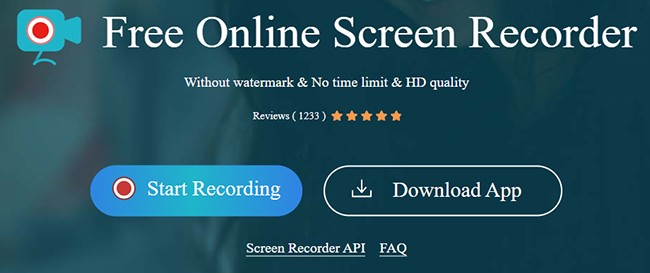
Apowersoft Online Screen Recorder captures screen activity in a browser and saves video locally or to the cloud. It suits short visual demonstrations, not batch music conversion. Its sound controls do not establish permission to capture protected Apple Music audio.
- Open the browser-based recorder and prepare the app screen you want to demonstrate.
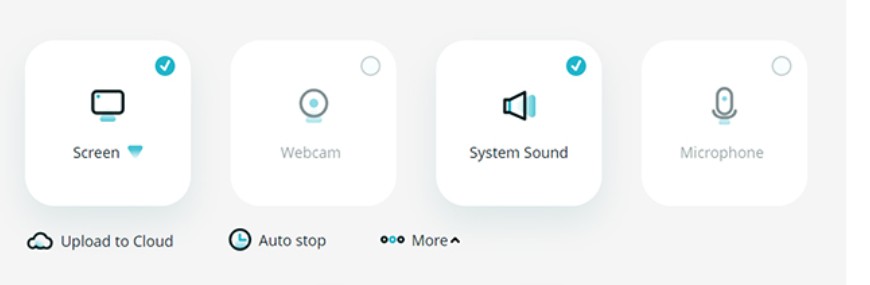
- Enable Screen and choose the permitted audio source, if needed.
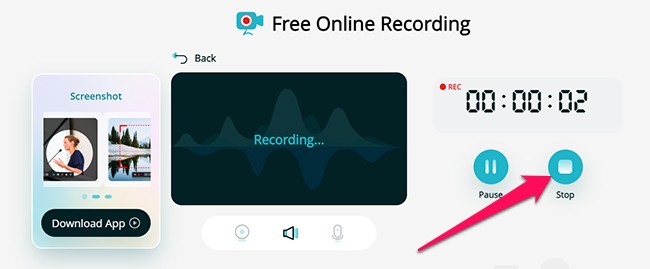
- Start capture, demonstrate the interface, then select Stop and preview the video before saving.
A browser video capture serves a different purpose from online Apple Music downloaders: it documents what happens on screen rather than organizing songs into a local library.
Apple Music Capture Methods Compared
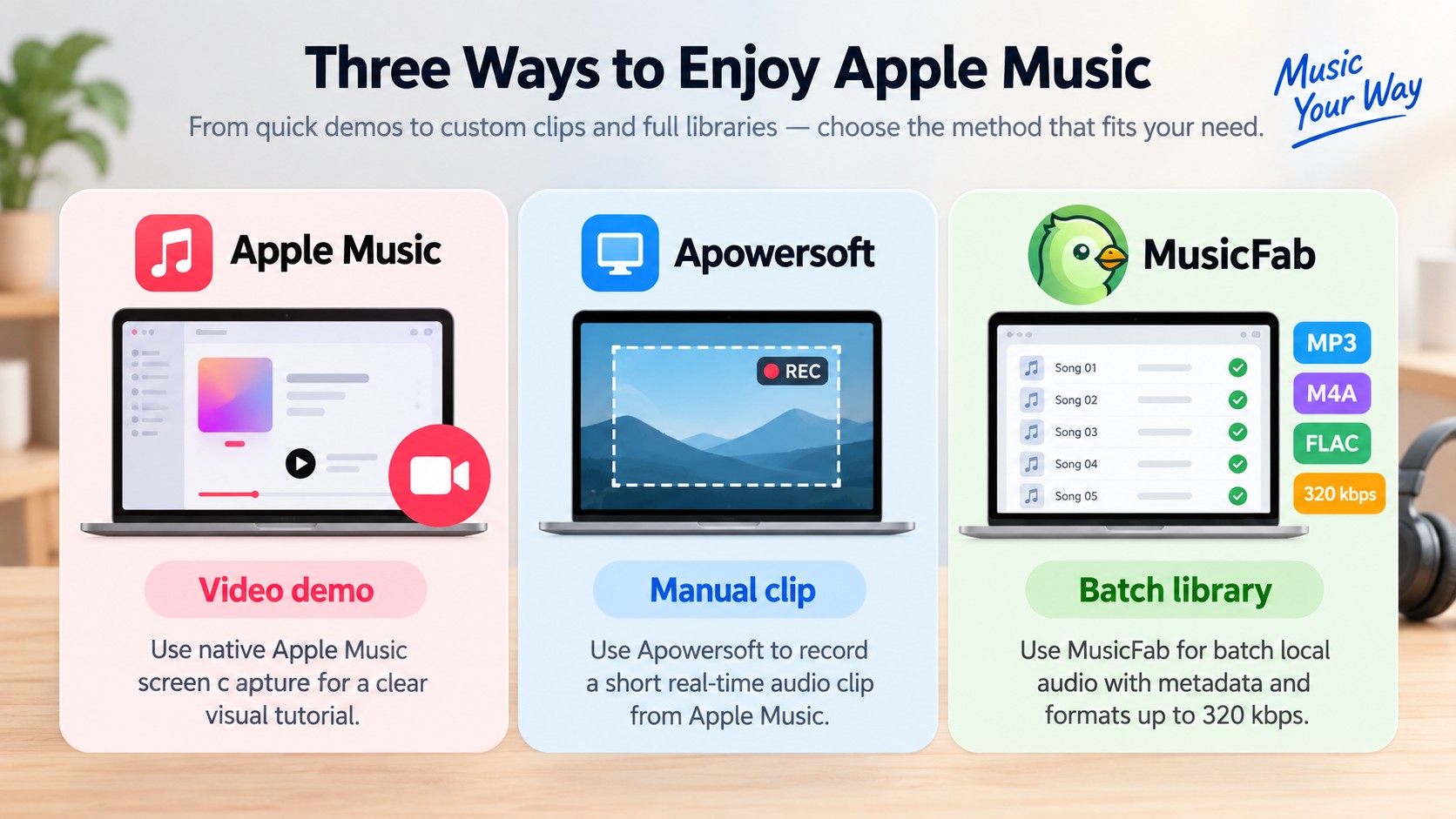
Native capture and Apowersoft create visual demonstrations; Audacity handles manual audio capture; MusicFab creates local audio files. Choose the output you actually need. The methods below are different workflows, not interchangeable fixes for muted subscription audio.
| Method | Output | Processing | Apple Music audio | Practical fit |
|---|---|---|---|---|
| Native screen capture | Screen video | Real time | Protected song audio restricted | App walkthroughs |
| MusicFab | MP3, M4A, WAV, FLAC, OPUS | Batch direct downloads | Active subscription; authorized personal use | Local playlists with tags |
| Audacity | Exported audio | Real-time manual capture | Requires an accessible audio input | Short permitted audio clips |
| ApowerSoft | Screen video; local or cloud | Real time | Protected song audio restricted | Browser-based visual demos |
I’d keep a tutorial as video and choose audio conversion for a music library. For a player that needs MP3, converting Apple Music to MP3 addresses file compatibility; changing a video’s extension does not.
Key Takeaways
Use built-in capture to screen record Apple Music’s interface, with microphone narration when needed. Protected song audio often stays out of the clip. For listening inside Apple Music, its official download feature is the simpler route.
Audacity fits a short permitted audio capture; Apowersoft fits a browser-based visual demo. MusicFab fits authorized local playlists when batch handling, metadata, and audio format choice matter. My recommendation for an app tutorial remains native capture: a clear screen video is the right deliverable.
Apple Music Screen Capture FAQs
How to screen record Apple Music with sound on iPhone?
You cannot capture Apple Music's internal audio directly on iPhone. The practical workaround is to capture the sound on a Mac while the iPhone plays the music.
Workaround steps (iPhone + Mac):
- Connect iPhone to Mac by cable.
- Open QuickTime Player on Mac - File - New Audio Recording- choose iPhone as input.
- Start recording in QuickTime, then play the Apple Music track iPhone
- Stop and save on Mac. Review copyright rules before use.
Why is there no sound when I screen record Apple Music?
Apple Music uses DRM to block unauthorized copying. When screen recording is detected, the audio stream is automatically muted to protect copyrighted content.
Tip: If you only need interface footage, record as usual. If you need audio for a tutorial or critique, record on a Mac with system audio capture or with the iPhone-to-Mac method, and include a copyright disclaimer.
What is the best alternative to screen recording Apple Music?
If you only need visual footage, use the built-in screen recorder. If you need local audio files for personal offline use or file management, MusicFab Apple Music Converter is a more practical alternative than real-time screen recording.
Can I keep listening to Apple Music while recording a game on Windows?
There is no single result across game-capture setups. One community report describes a conflict with an NVIDIA capture session while Apple Music was open; that is not a rule for all Windows systems. Try the same game capture with Apple Music closed, then with it open, and compare the clips. If the conflict follows Apple Music, keep it closed during the game capture; don’t assume listening to a song means it will appear in the video.
Does screen capture behave differently with imported local music files?
An imported file is a different source from an Apple Music subscription stream, but importing it does not ensure that a capture tool receives its audio. App behavior and audio routing still matter. Test a file you created or have permission to use, then compare playback in a local player with playback in Apple Music. That isolates the app from the file itself.
Can I capture Apple Music Sing or animated lyrics?
Visible lyrics and Sing controls are separate from the song’s internal audio. A clip of the interface does not create an instrumental or karaoke audio export. Try a short visual capture of the feature you need to explain; if that view is blocked, use an allowed screenshot and describe the motion in your own words. A screenshot preserves a still view, not the animation.

The Apple Music Family Plan costs $19.99 a month in the US for up to six people.
By Jane Chen - Aug 26, 2026

Apple Music's official apps handle offline listening on iPhone, iPad, Android, Mac, and Windows, but those downloads remain app-based. This guide explains device steps, whole-library limits, cancellation effects, and when a MusicFab or online local-file workflow fits better.
By Jane Chen - Aug 18, 2026

Learn the official steps to listen to Apple Music offline on iPhone, Android, Windows, Mac, and Apple Watch, with practical playback fixes and a clear comparison
By Jane Chen - Aug 13, 2026
Compare six FLAC-to-ALAC converter options for Mac and Windows. Find the right workflow for preserving metadata, batch conversion, and confirming an M4A file uses
By Jane Chen - Aug 12, 2026